

Contents
Greetings from the WES Team
WES News
Knowledge and Research
By the Numbers
Upcoming Conferences and Events
Quick Quiz
Greetings from the Chief Transformation Officer

WES News

WES Gateway Program Expansion
The WES Gateway Program has been expanded to support individuals educated in Palestine and Sudan. This expansion creates opportunities for greater numbers of forcibly displaced individuals to access evaluations that support the recognition of their academic qualifications. The expansion is the result of careful consideration. We reviewed many factors, including WES’ credential assessment expertise and commitment to enabling equitable access to education and good work for all displaced individuals and immigrants, as well as insights from the field of immigrant inclusion.

Celebrating 25 Years of Impact in Canada
WES first opened its doors in Canada in 2000, initially to support the recognition of international credentials within Ontario’s educational system and broader job market. Now we are celebrating a key milestone—25 years of providing credential evaluations and driving systems change across Canada. To commemorate the occasion, WES announced two scholarship initiatives to expand career pathways for immigrant youth and improve higher education access for refugee students.
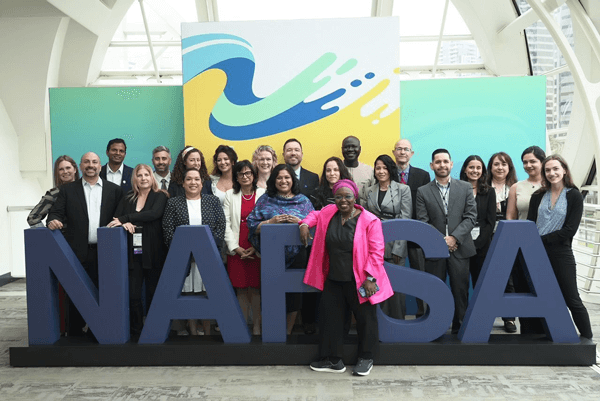
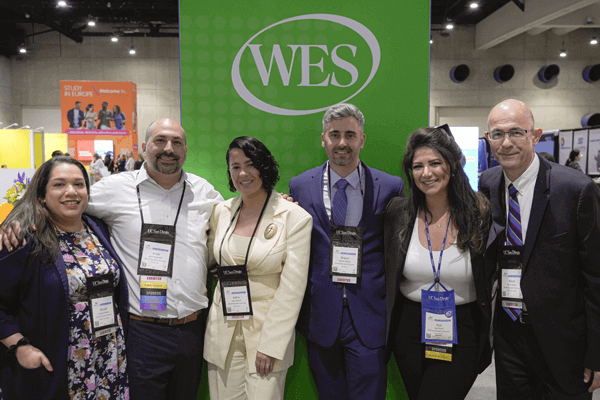

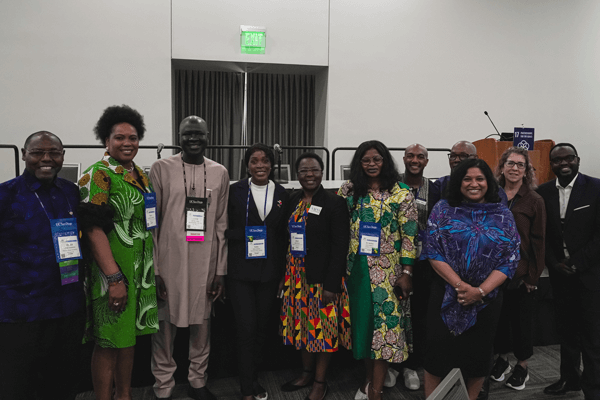

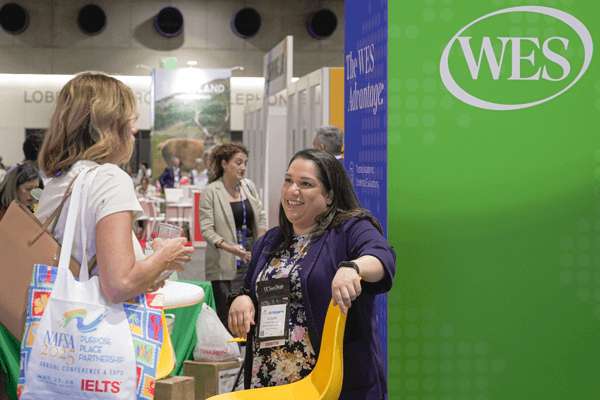
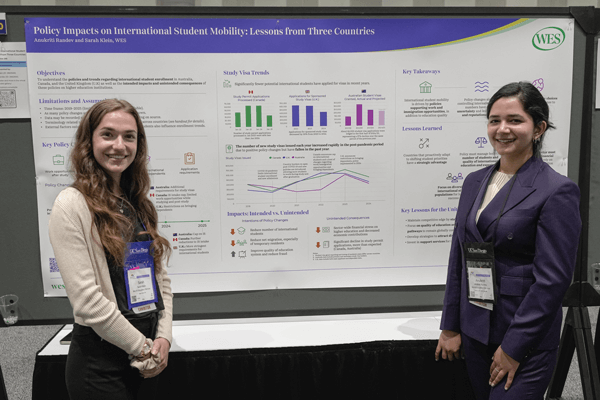
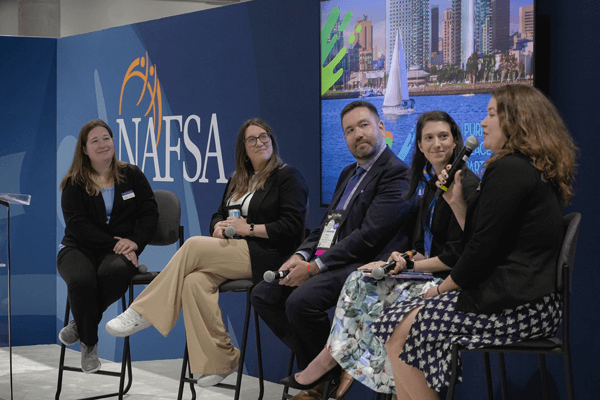
Insights from NAFSA 2025
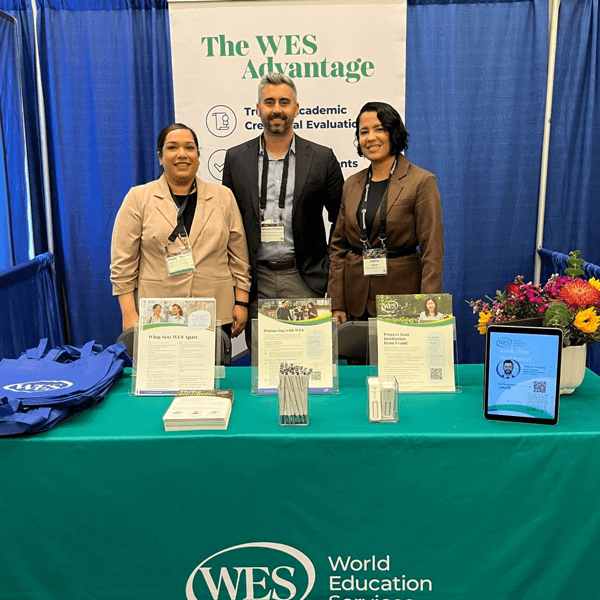
This past spring, several members of the WES team shared their expertise in international education at the NAFSA 2025 Annual Conference & Expo in San Diego, California. By participating in several panel discussions and poster fair presentations, along with hosting a booth in the expo hall, our team had the opportunity to connect with wider members of the international education community. View some highlights in the gallery on the left and
Knowledge and Research
International Student Mobility Data Sources
Client Success Resources: AccessWES
.png?v=07312025141737)
Knowledge and Research
International Student Mobility Data Sources
Associate Director, Higher Education Research, Bryce Loo, explores the growing importance of accurate, reliable data on international student mobility. As global student numbers reach record highs and are expected to rise further, this WENR article focuses on the foundational questions and considerations needed to evaluate and interpret international student data sources effectively.
Knowledge and Research
Client Success Resources: AccessWES
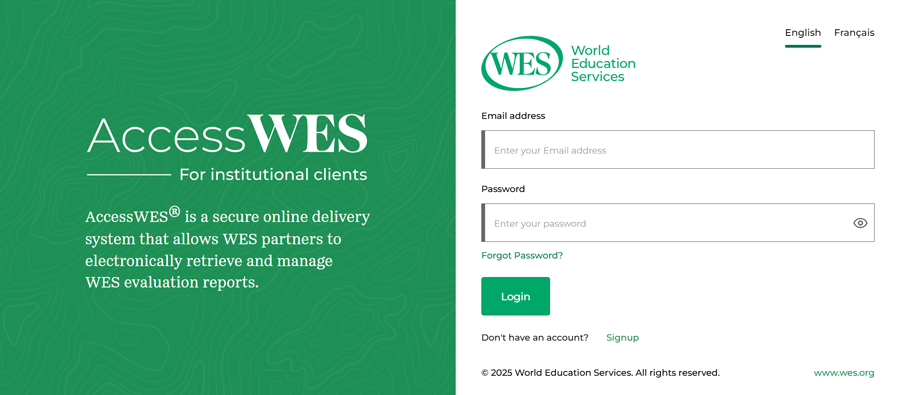
In case you missed the news in our last issue of the WES Voice, we have made enhancements to AccessWES, our digital report delivery platform for institutional clients. To help you make the most of the system, we have created a new YouTube playlist with tips and tutorials.
By the Numbers: Applicant Profile
Canada
0
80%
80%
0%
0%
0%
0%
United States
0
77%
79%
0%
0%
0%
0%
0
North America
0
North America
111,292
Canada
48,724
United States
0
Africa
0
Africa
17,271
Nigeria
3,724
Cameroon
0
Middle East
0
Middle East
12,741
United Arab Emirates
0
Asia
0
Asia
94,180
India
20,745
China
12,301
Hong Kong
9,000
Philippines
8,232
Pakistan
0
Total

160,016
North America
20,995
Africa
12,741
Middle East
144,458
Asia
Upcoming Conferences and Events
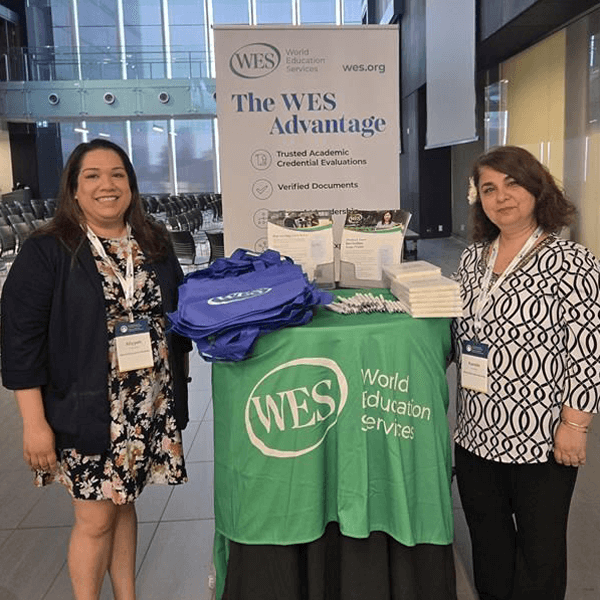
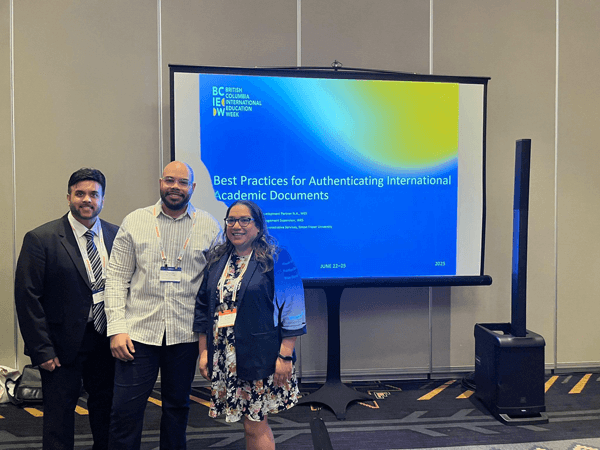
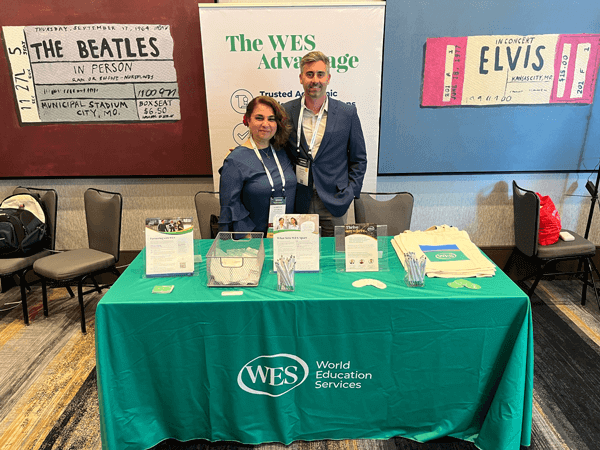
Are you heading to any of these conferences this fall? Follow us on LinkedIn to find out where we’ll be and how to connect with our team!

Quick Quiz: An Authentic Approach

CORRECT
Official, verified documents are crucial to our evaluation process.* All documents must be submitted to WES directly from the issuing institution via an established and approved channel.

INCORRECT
WES does not accept photocopies or original academic documents provided by applicants.* All documents we receive undergo a rigorous authentication process in order to ensure accuracy and integrity.
Once a WES evaluation is produced, the report goes through a thorough quality assurance process conducted by a team of specialists.
2/3

While WES follows strict document requirements, we sometimes need to contact the issuing institution to verify a document’s authenticity because of issues like formatting or font discrepancies, unfamiliar signatures, or unusual grading scales. We begin drafting the evaluation while awaiting verification and update or finalize the report once we receive a response.
3/3

INCORRECT
Only when ALL documents have been verified and accepted is the evaluation order placed in the queue for our evaluation specialists to produce the report. Evaluations are placed on hold when there is an outstanding request such as verification, or any action that an applicant must take before we can proceed with the evaluation.
How did you do? We hope this
quiz
served
as a
useful
refresher
or start
in
understanding
WES
credential
evaluations.
If you
ever
have
a
question
about
a WES
report
or our
process,


